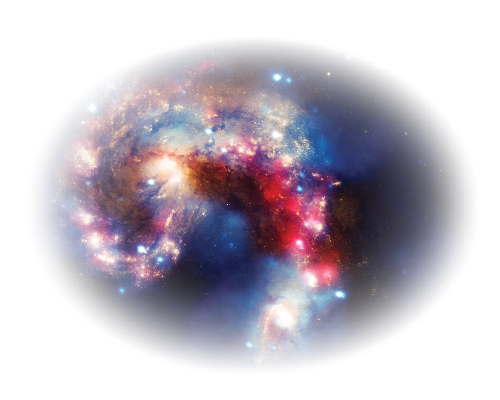
A comprehensive Handbook about Galaxies to help you explore these vast cosmic structures. This handbook can be used as an educational resource for anyone interested in learning more about galaxies.
The Handbook of Galaxies: Exploring the Cosmos
Introduction to Galaxies
A galaxy is a vast system of stars, star clusters, planets, interstellar gas, dust, and dark matter, all bound together by gravity. Our universe is filled with billions of galaxies, each containing billions or even trillions of stars. The Milky Way, our home galaxy, is just one of the many galaxies in the cosmos.
What Makes a Galaxy?
- Stars: The majority of visible matter in a galaxy, ranging from young, hot stars to ancient, cooler stars.
- Gas and Dust: The interstellar medium, consisting of gas and dust, serves as the birthplace for new stars.
- Dark Matter: A mysterious substance that cannot be seen, but its presence is inferred from its gravitational effects on visible matter.
- Supermassive Black Hole: Most galaxies, including the Milky Way, have a supermassive black hole at their center, exerting strong gravitational forces.
Types of Galaxies
Galaxies come in various shapes and sizes. Astronomers typically classify galaxies into several broad categories based on their appearance.
1. Spiral Galaxies
- Structure: Characterized by a central bulge of stars and surrounding spiral arms, which contain stars, gas, and dust.
- Examples: The Milky Way and Andromeda Galaxy.
- Features: Spiral galaxies are often home to a lot of young stars, making them bright and active. They are also rich in star-forming regions.
2. Elliptical Galaxies
- Structure: These galaxies have an elliptical shape and contain little interstellar gas or dust. Their stars are typically older.
- Examples: Messier 87, one of the largest elliptical galaxies, and NGC 5128.
- Features: Elliptical galaxies tend to be more "mature" and lack the active star formation seen in spiral galaxies. They are often the result of galaxy mergers.
3. Irregular Galaxies
- Structure: These galaxies do not have a regular shape. Their structure may appear disordered or fragmented.
- Examples: The Large Magellanic Cloud and Small Magellanic Cloud, both of which are satellite galaxies of the Milky Way.
- Features: Irregular galaxies are typically rich in gas and dust, and they often exhibit intense star formation.
4. Lenticular Galaxies
- Structure: These galaxies are a blend between spiral and elliptical galaxies. They have a disk-like structure but lack the prominent spiral arms.
- Examples: NGC 5866.
- Features: Lenticular galaxies often contain older stars and little interstellar gas or dust, leading to less active star formation.
Famous Galaxies Around Us
There are many galaxies beyond our own that stand out in the universe. Here are a few notable ones:
1. The Milky Way
- Type: Spiral Galaxy
- Size: About 100,000 light-years in diameter
- Stars: Contains around 100-400 billion stars
- Notable Feature: Our solar system resides in one of its spiral arms, known as the Orion Arm.
2. Andromeda Galaxy (M31)
- Type: Spiral Galaxy
- Distance from Earth: 2.537 million light-years
- Size: 220,000 light-years in diameter
- Features: The closest large galaxy to the Milky Way, Andromeda is on a collision course with our galaxy, predicted to merge in about 4.5 billion years.
3. Sombrero Galaxy (M104)
- Type: Spiral Galaxy
- Distance from Earth: About 28 million light-years
- Features: Known for its distinct shape resembling a sombrero hat, this galaxy has a prominent central bulge and a large dust lane.
4. Messier 87 (M87)
- Type: Elliptical Galaxy
- Distance from Earth: 53.5 million light-years
- Features: Famous for housing a supermassive black hole, M87 was the first galaxy to have its black hole imaged by the Event Horizon Telescope.
5. The Large Magellanic Cloud (LMC)
- Type: Irregular Galaxy
- Distance from Earth: About 160,000 light-years
- Features: A satellite galaxy of the Milky Way, the LMC is home to the Tarzan Nebula, one of the largest star-forming regions in the Local Group.
Galactic Evolution
Galaxies are not static; they evolve over time. The process of galactic evolution is influenced by factors such as:
1. Galaxy Mergers
- Over billions of years, galaxies can collide and merge. These mergers can lead to the formation of elliptical galaxies from spirals, often sparking bursts of star formation.
2. Star Formation
- Spiral galaxies are particularly active in forming new stars due to the abundance of gas and dust in their spiral arms. Over time, as the gas is consumed, star formation slows down.
3. Active Galactic Nuclei (AGN)
- Some galaxies harbor an active galactic nucleus-a region at the center of the galaxy with an unusually high luminosity, often due to the presence of a supermassive black hole. These AGNs can emit powerful jets and radiation.
The Life Cycle of a Galaxy
1. Formation: Galaxies are born from the collapse of gas clouds that began right after the Big Bang. Initially, they were small, irregular collections of stars and gas.
2. Growth: Over time, galaxies grow through the accretion of matter, star formation, and merging with other galaxies.
3. Mature Stage: In their mature phase, galaxies stabilize, and star formation rates slow down. Many elliptical galaxies are in this stage.
4. End Stage: Some galaxies eventually exhaust their gas supply, cease forming new stars, and become "red and dead," with only older stars remaining.
Galaxies in the Universe
Our universe contains billions of galaxies. Some of the largest known galaxies, such as the IC 1101, are over 6 million light-years in diameter! The study of galaxies helps astronomers understand the origins and fate of the universe itself.
The Local Group
- A collection of galaxies that includes the Milky Way, Andromeda, the Triangulum Galaxy, and around 54 other smaller galaxies. These galaxies are bound together by gravity and orbit each other.
Galaxy Clusters
- Galaxies are often grouped into clusters. The Virgo Cluster is the nearest large galaxy cluster to the Milky Way, containing over 1,000 galaxies.
Fun Facts About Galaxies
- The largest galaxies are elliptical galaxies, and they can be up to 6 million light-years across.
- The Milky Way is on a collision course with the Andromeda Galaxy. The two galaxies are expected to merge in 4.5 billion years.
- The Hubble Deep Field showed us thousands of galaxies in a tiny patch of space, revealing that galaxies come in all shapes, sizes, and stages of evolution.
- Dark matter makes up about 27% of the universe, and it is believed to be crucial in holding galaxies together.
Conclusion
Galaxies are the building blocks of the universe, and studying them helps us unlock the mysteries of our cosmic origins. From the bustling, star-forming regions of spiral galaxies to the quiet, aging elliptical galaxies, every galaxy tells a unique story about the evolution of the cosmos. By observing distant galaxies, we also peer back in time, uncovering clues about the formation of the universe itself.
For anyone fascinated by the cosmos, the study of galaxies is an endless adventure into the unknown. Whether you're gazing at the Milky Way from your backyard or analyzing the farthest reaches of space with a telescope, galaxies are the key to understanding the very fabric of the universe.
This Handbook of Galaxies provides an overview of the many types of galaxies, their structure, evolution, and the role they play in the broader universe. Whether you're a beginner or an experienced astronomer, understanding galaxies is essential to grasping the vastness and complexity of the cosmos.
For more information, visit goatadds.com/info, email us at
enquiries@goatadds.com
or contact us at +27 81 449 1334.
From
[Unknown]
Posted
: 2025-02-13 17:09:00